
Franchise data management software: the model everything else runs on
Entities, locations, franchisees, regions, territories, leases, and agreements, structured properly from the start. This is what makes network-wide reporting possible rather than aspirational.

You can't report on a network you haven't modeled
Most franchisors can’t answer basic network questions quickly. Not because the data doesn’t exist, but because it exists in six shapes across six systems, and no two of them agree on what a region is or which entity a location belongs to.
Every reliable number a franchisor wants sits downstream of a data model that was built once, properly.
The network, the lifecycle, and the tools to work them

The network
Legal entity management · Franchise location directory and records · 4-step new location wizard · Location summary, a 360° read-only view of any location · Geographic regions and territory assignment · Groups for bulk communications and reporting · Multi-brand management, for franchise groups running more than one concept

The lifecycle
Franchise lifecycle management from pre-opening to open to transferred · Real estate, lease, and location management · Compliance and franchise agreements management, including renewal dates · Insurance records and expiry tracking · Ownership transfer management · Employee management per location · Supplier and vendor records

Working with it
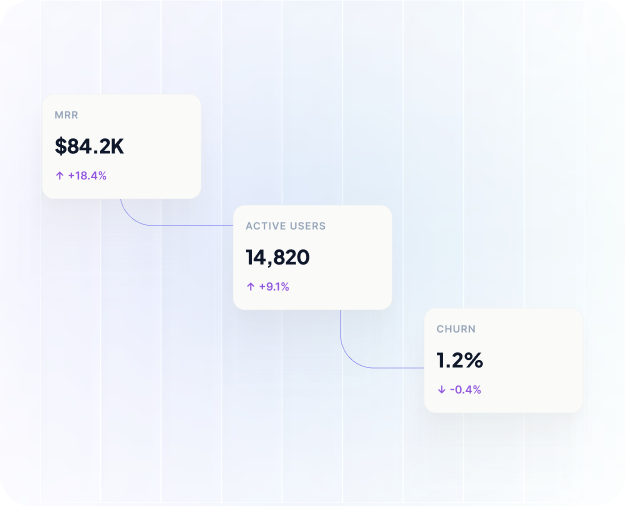
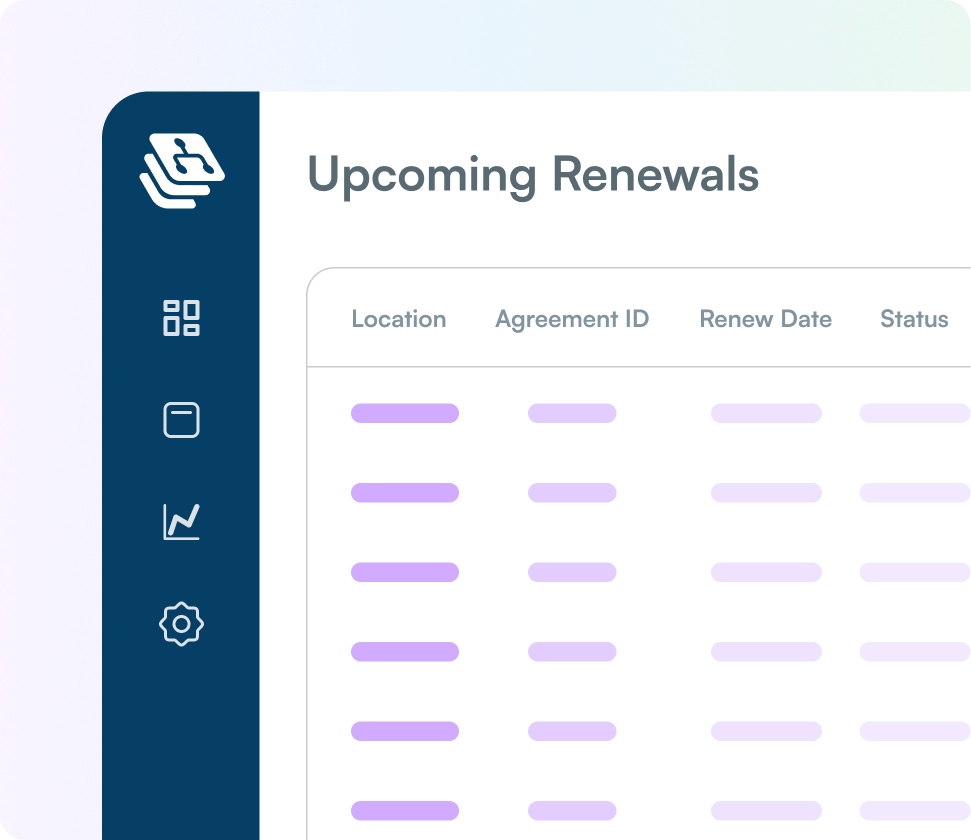
Real-time Data Admin dashboard with 30-day, 6-month and 12-month franchise counts, recent assessments and upcoming renewals · System-wide multi-field franchise search · Smart toolbar: export, filter, and bulk actions · Centralized tasks and call activity log · Communication tracking with Teams chat · AI-powered dashboards and queries
Agreement renewals stop being a surprise
Franchise agreements expire. In most networks that fact lives in a folder, and it becomes urgent the month someone happens to check.
Holding agreements, renewal dates, territories, and ownership history against the location record turns that into a report you can run rather than an event you react to.

Security and governance
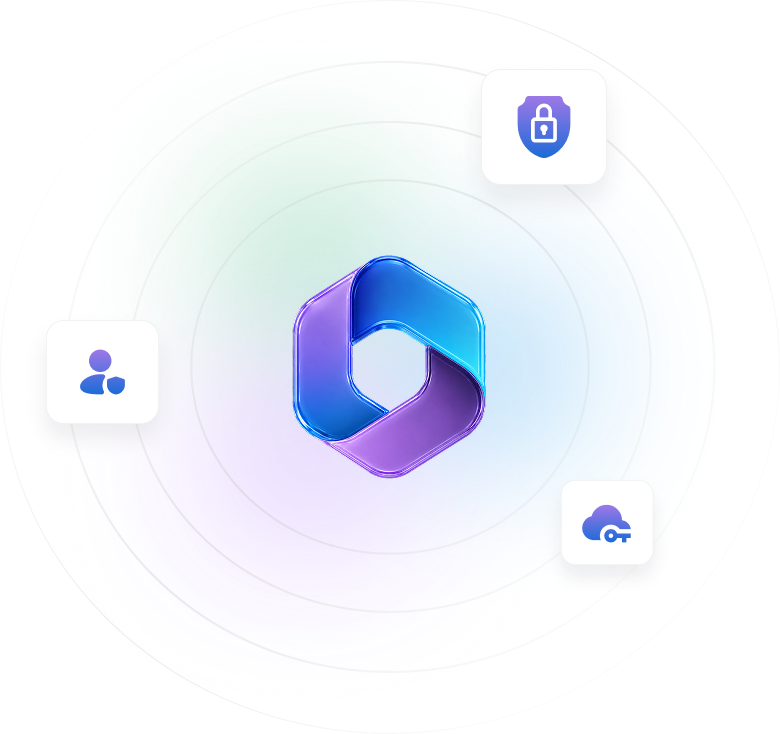
Your operational data resides in your own Microsoft 365 tenant. SharePoint Online holds the data, the interface runs as SPFx inside your SharePoint, and Power Automate drives the workflows. It sits inside the Microsoft 365 enterprise security your IT team already administers, including MFA and role-based access control, with all data changes, user actions and system events logged for audit review.
The architecture is designed to support GDPR obligations through data residency, role-based access, and audit logging. Availability is aligned with Microsoft's published 99.9% service level.
To be precise rather than absolute: HolaTeams maintains an outbound connection for license validation, which carries no operational data. Optional services — Azure OpenAI, Stripe, e-signature, Shopify — connect only where you enable them.